
Smartphones have become an essential part of daily life. People use them for communication, entertainment, photography, work, and learning.
One of the most important parts of any smartphone is its display. A clear and bright screen makes everything easier to see and more enjoyable to use. From watching videos to reading messages, the display plays a major role in the user experience.
Latest phones are designed with advanced display technologies that make screens sharper, brighter, and more colorful than ever before. These improvements help users view content clearly in sunlight, enjoy high-quality videos, and interact smoothly with apps.
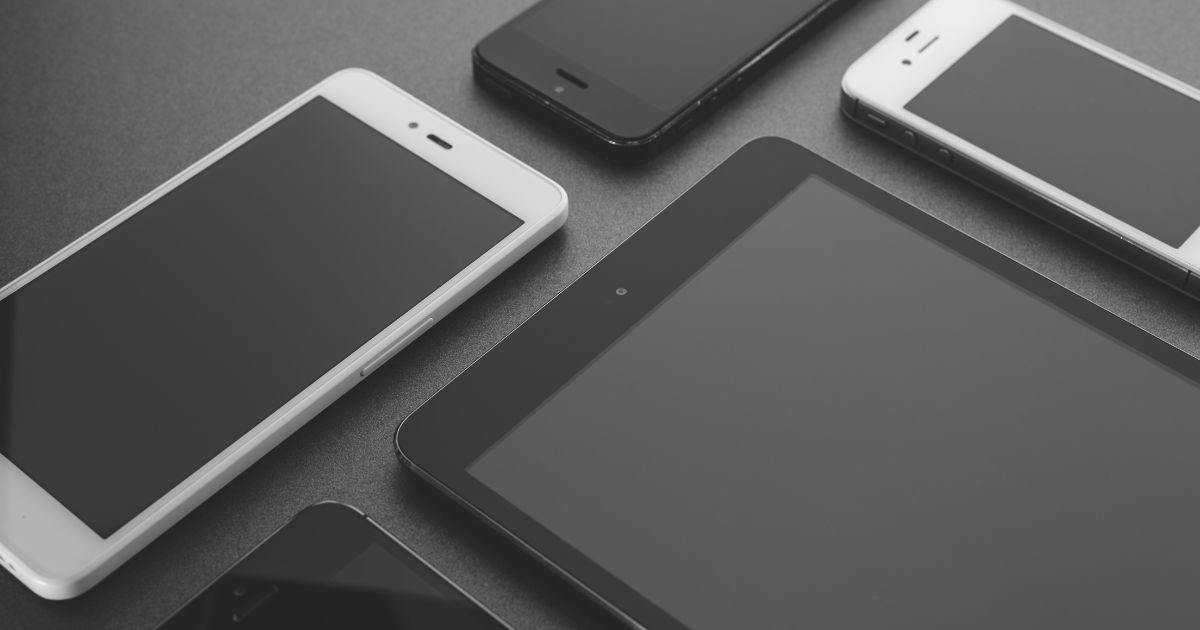
Many factors influence how clear and bright a smartphone screen looks. These include display resolution, brightness levels, display technology, pixel density, color accuracy, refresh rate, and screen coatings. Latest phones combine all these elements to create displays that look stunning and perform well in different lighting conditions.
This guide explains what makes smartphone screens clear and bright. It also explores the technologies used in Latest phones to improve display quality and user experience.
Smartphone Display Technology
Smartphone screens rely on advanced display technologies to produce images, colors, and brightness. These technologies determine how clear, vibrant, and efficient the display will be.
LCD Displays
LCD stands for Liquid Crystal Display. It was one of the earliest technologies used in smartphones.
LCD screens use a backlight that shines through liquid crystals to create images. Because of this backlight, LCD screens can appear bright and clear.
However, LCD displays usually consume more power and have lower contrast compared to newer technologies. Even though they are still used in some devices, many Latest phones are moving toward more advanced display types.
OLED Displays
OLED stands for Organic Light Emitting Diode. Unlike LCD screens, OLED displays do not need a backlight.
Each pixel produces its own light. This allows OLED screens to create deeper blacks and brighter colors.
Latest phones often use OLED screens because they offer better contrast, improved brightness, and better energy efficiency.
AMOLED Displays
AMOLED stands for Active Matrix Organic Light Emitting Diode.
This technology is an advanced version of OLED. It offers faster response times, better color accuracy, and improved brightness.
Many Latest phones rely on AMOLED displays because they provide excellent visual quality and support features such as high refresh rates.
Screen Resolution and Image Clarity
Resolution is one of the most important factors that affects how clear a smartphone display looks.
What Is Screen Resolution?
Screen resolution refers to the number of pixels on the screen. Pixels are tiny dots that combine to form images and text.
The more pixels a screen has, the sharper the image appears.
Common smartphone resolutions include:
-
HD
-
Full HD
-
Quad HD
-
4K (in rare cases)
Latest phones usually come with Full HD or higher resolution displays to provide sharp visuals.
Why Resolution Matters
Higher resolution improves the clarity of images, text, and videos. It reduces pixelation and makes details easier to see.
When watching movies, playing games, or reading text, Latest phones with higher resolution screens provide a much better experience.
Pixel Density and Sharpness
Pixel density refers to how many pixels are packed into each inch of the screen. It is measured in PPI (pixels per inch).
Higher Pixel Density
A higher pixel density means more pixels in a small area. This makes images appear smoother and sharper.
Latest phones often feature pixel densities above 400 PPI, which makes text and images extremely clear.
Lower Pixel Density
Lower pixel density can cause images and text to appear slightly blurry. Individual pixels may become visible.
Because of this, Latest phones aim for higher PPI values to improve display sharpness.
Brightness Levels and Outdoor Visibility
Brightness is another key factor that affects how easy it is to see a smartphone screen.
Measured in Nits
Screen brightness is measured in nits. A higher nit value means the screen can produce more light.
Latest phones often offer brightness levels between 800 and 2000 nits.
Importance of High Brightness
High brightness improves visibility in bright environments, especially outdoors.
When using a smartphone under sunlight, Latest phones with higher brightness remain readable and clear.
Adaptive Brightness
Many Latest phones include adaptive brightness technology. This feature automatically adjusts screen brightness based on surrounding light.
It improves comfort and helps save battery life.
Contrast Ratio and Visual Depth
Contrast ratio describes the difference between the darkest black and the brightest white on a screen.
Why Contrast Matters
A high contrast ratio makes images look more realistic and detailed.
It improves the visibility of shadows, highlights, and textures.
Latest phones with OLED or AMOLED displays usually provide excellent contrast ratios because pixels can turn off completely to create deep black colors.
Color Accuracy and Vibrancy
Color accuracy determines how natural and realistic colors appear on the screen.
Wide Color Gamuts
Modern displays support wider color gamuts such as DCI-P3. These allow screens to display more colors.
Latest phones often support wide color gamuts to improve image quality.
True-to-Life Colors
Accurate colors are important for photography, video editing, and media consumption.
Latest phones use advanced calibration techniques to ensure colors appear natural and balanced.
Refresh Rate and Smooth Visuals
Refresh rate refers to how many times the screen updates every second. It is measured in Hertz (Hz).
Standard Refresh Rate
Traditional smartphone displays operate at 60Hz.
High Refresh Rate
Latest phones now support higher refresh rates such as:
-
90Hz
-
120Hz
-
144Hz
Higher refresh rates make scrolling, gaming, and animations appear smoother.
Users of Latest phones can notice smoother motion and faster response when interacting with the screen.
Screen Size and Viewing Comfort
The size of a smartphone display also affects how clear and bright it feels.
Larger Displays
Larger screens allow more space for content. Videos, games, and websites appear more immersive.
Latest phones often feature screens between 6 and 7 inches.
Optimal Viewing Experience
Even though larger displays are popular, screen clarity still depends on resolution and pixel density.
Latest phones balance screen size with high resolution to maintain sharp visuals.
Display Protection and Coatings
Smartphone screens include protective layers to improve durability and visibility.
Anti-Reflective Coatings
Reflections from sunlight or indoor lights can make screens difficult to see.
Latest phones use anti-reflective coatings to reduce glare and improve visibility.
Scratch-Resistant Glass
Protective glass helps prevent scratches and damage.
Many Latest phones use strengthened glass technology to maintain screen clarity over time.
HDR Technology
HDR stands for High Dynamic Range.
This technology improves brightness, contrast, and color accuracy.
Better Video Experience
HDR allows screens to display deeper blacks and brighter highlights.
When watching HDR content, Latest phones provide more realistic images and richer colors.
Popular HDR Standards
Some common HDR standards include:
-
HDR10
-
HDR10+
-
Dolby Vision
Latest phones often support these standards to enhance video playback.
Blue Light Filters and Eye Comfort
Smartphone screens emit blue light, which may cause eye strain during long usage.
Blue Light Reduction
Many Latest phones include blue light filters that reduce harmful light emissions.
Night Mode
Night mode changes the color temperature of the display to warmer tones.
Latest phones use this feature to make nighttime viewing more comfortable.
Power Efficiency and Bright Displays
Brightness and display quality must be balanced with battery efficiency.
Efficient Display Panels
OLED technology helps save power because pixels only light up when needed.
Latest phones use efficient display panels to maintain brightness while reducing energy consumption.
Smart Power Management
Adaptive brightness and dynamic refresh rates help reduce battery usage.
These technologies allow Latest phones to provide bright screens without draining the battery quickly.
Viewing Angles and Screen Consistency
Viewing angle refers to how well the display looks from different angles.
Wide Viewing Angles
A good smartphone display should remain clear even when viewed from the side.
Latest phones use advanced display panels that maintain brightness and color accuracy at wide angles.
Consistent Color
Poor displays may show color shifts when tilted. However, Latest phones are designed to minimize this issue.
Touch Sensitivity and Display Responsiveness
A clear and bright display must also respond quickly to touch.
Touch Sampling Rate
Touch sampling rate measures how often the screen detects touch input.
Latest phones often include higher touch sampling rates to improve responsiveness.
Gaming Performance
Gamers benefit from fast touch response because it allows more accurate control.
Latest phones combine smooth displays and responsive touch systems to enhance gameplay.
Software Optimization for Better Displays
Hardware alone does not determine display quality. Software also plays an important role.
Display Calibration
Manufacturers calibrate displays to ensure colors and brightness remain accurate.
Latest phones undergo advanced calibration to improve viewing quality.
Dynamic Display Settings
Users can adjust display settings based on their preferences.
Latest phones allow changes to color modes, brightness levels, and refresh rates.
The Role of AI in Display Enhancement
Artificial intelligence is increasingly used to improve smartphone displays.
AI Brightness Control
AI analyzes user behavior and lighting conditions to adjust brightness automatically.
Latest phones use AI to create a comfortable viewing experience.
AI Image Enhancement
AI can enhance images, videos, and games by improving contrast and colors.
Latest phones use AI algorithms to optimize visual quality.
Future Trends in Smartphone Displays
Display technology continues to evolve rapidly.
Foldable Displays
Foldable smartphones introduce flexible screens that can bend without breaking.
Some Latest phones already use foldable technology to offer larger screens in compact devices.
Under-Display Cameras
New display innovations hide cameras beneath the screen.
Latest phones with under-display cameras offer uninterrupted viewing experiences.
MicroLED Technology
MicroLED is a future display technology that promises brighter screens and lower power consumption.
Future Latest phones may adopt MicroLED to deliver even better display performance.
Conclusion
A clear and bright smartphone screen is the result of many different technologies working together. Factors such as display type, resolution, pixel density, brightness, contrast ratio, and color accuracy all contribute to overall screen quality.
Modern smartphone displays are far more advanced than those used in early devices. OLED and AMOLED technology have made screens brighter and more efficient. High refresh rates have improved smoothness, while HDR support enhances video quality.
Latest phones combine powerful hardware with intelligent software to produce exceptional display experiences. Features such as adaptive brightness, AI enhancement, and wide color support ensure that users can enjoy sharp visuals in different environments.
As technology continues to advance, smartphone displays will become even more impressive. Future developments such as foldable screens, MicroLED panels, and improved HDR capabilities will push display performance to new levels.
For users, this means clearer text, brighter images, smoother animations, and a more immersive mobile experience. The display is one of the most important components of any smartphone, and the innovations found in Latest phones continue to transform how people interact with technology every day.