
Organizing an event is no small task. Every detail counts, from the venue and catering to guest lists and entertainment. One crucial aspect that planners cannot overlook is event transportation.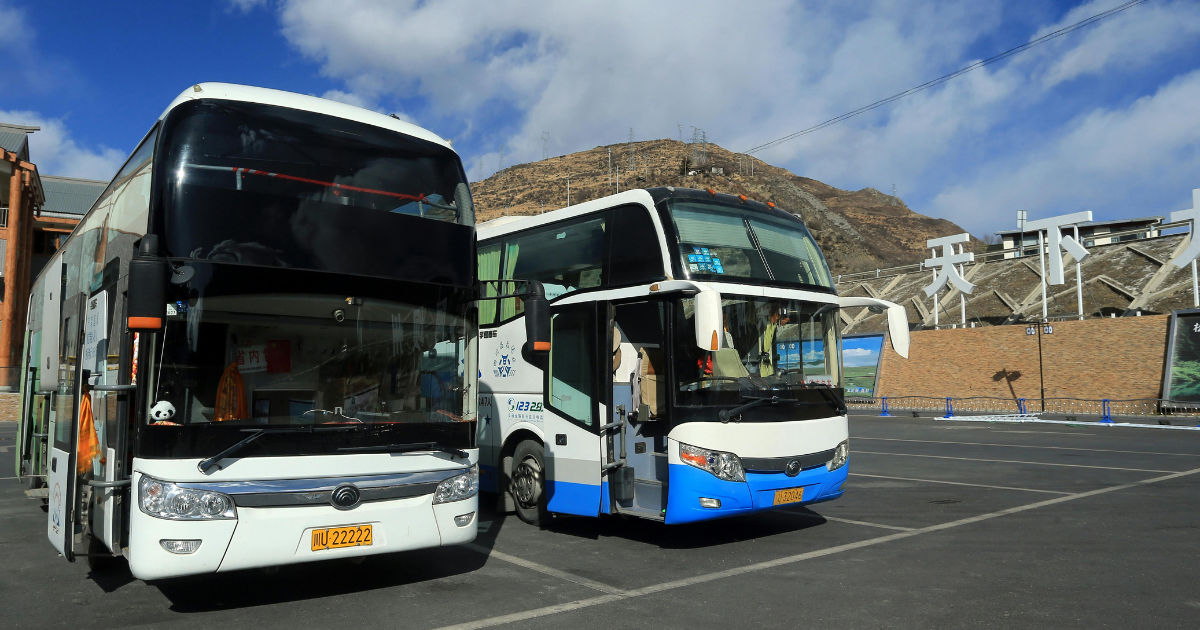
Ensuring that guests, speakers, and VIPs arrive on time, safely, and comfortably can make or break the success of an event. For planners, understanding what event transportation includes is key to creating a seamless experience.
In this guide, we will explore everything that goes into planning event transportation, including types of transportation, logistics, safety considerations, and tips for smooth execution.
Whether you’re planning a corporate conference, a wedding, or a large festival, this guide will provide a thorough roadmap.
Understanding Event Transportation
Event transportation refers to the coordinated movement of guests and participants to, from, and around an event. It goes beyond simply booking a bus or car; it involves careful planning to ensure timing, accessibility, and comfort are all addressed. Event transportation can include a range of services, depending on the scale and type of event.
For planners, the goal of event transportation is to reduce stress, avoid delays, and provide a professional experience for attendees. By managing transportation effectively, planners can enhance attendee satisfaction and maintain the reputation of the event.
Why Event Transportation Matters
Transportation is often underestimated in event planning, but its importance cannot be overstated. Poorly managed transportation can lead to late arrivals, frustrated attendees, and a negative perception of the event. On the other hand, smooth event transportation adds to the overall professionalism and ensures that the event runs on schedule.
Key benefits of focusing on event transportation include:
-
Improved guest experience: Comfortable and timely travel keeps attendees happy.
-
Efficient schedule management: Reliable transportation helps maintain the event timeline.
-
Safety and security: Professional transport services prioritize safety and reduce risks.
-
Brand image: For corporate events, providing high-quality transportation reflects positively on the organization.
Types of Event Transportation Services
Event planners have a wide array of transportation options to consider. Choosing the right type depends on the audience size, event type, and budget. Here are the most common types:
Shuttle Services
Shuttle services are ideal for moving groups of people between venues, such as from a hotel to a conference center. Shuttles are often used for:
-
Corporate events
-
Conventions
-
Large weddings
They are cost-effective and can be scheduled on a fixed route, reducing confusion for guests.
Limousine and Luxury Cars
For VIP guests, speakers, or executives, luxury transportation such as limousines, town cars, or high-end SUVs is common. This option provides:
-
Comfort and style
-
Professional chauffeurs
-
Personalized schedules
Buses and Coaches
Large-scale events like festivals or sports events often require buses or coaches. These vehicles can transport hundreds of guests at once and are equipped with amenities like Wi-Fi and air conditioning. Event planners often coordinate multiple buses to ensure smooth arrivals and departures.
Ride-Sharing Coordination
With the rise of ride-sharing platforms, some planners coordinate rides for smaller groups or attendees traveling individually. This involves:
-
Providing promo codes
-
Coordinating pick-up points
-
Ensuring timely arrivals
Specialized Transportation
Depending on the event, planners may also need to consider specialized transportation, such as:
-
Golf carts for large venues
-
Boats for waterfront events
-
Accessible vehicles for guests with mobility challenges
Planning Event Transportation: Key Considerations
Proper planning is the backbone of effective event transportation. Planners need to address multiple factors to ensure transportation is seamless.
Guest Count and Profiles
Knowing the number of attendees is essential. Planners should consider:
-
Total number of guests
-
VIP attendees requiring special transport
-
Attendees with special needs
Accurate numbers allow planners to book the right number and type of vehicles.
Event Location and Accessibility
The venue's location significantly impacts transportation planning. Consider:
-
Distance from hotels or airports
-
Parking availability
-
Traffic patterns
-
Accessibility for people with disabilities
For example, a downtown conference center may require shuttle services from multiple hotels, whereas a resort venue might rely on golf carts for on-site transportation.
Timing and Scheduling
One of the biggest challenges in event transportation is timing. Planners must:
-
Calculate travel time with traffic considerations
-
Account for early arrivals for VIPs
-
Schedule multiple trips if needed
-
Communicate clear schedules to guests
Proper timing ensures that sessions, keynote speeches, and other activities start on time.
Budget Considerations
Transportation can represent a significant portion of an event budget. Planners need to balance cost with quality. Considerations include:
-
Vehicle types (buses, shuttles, cars)
-
Fuel costs
-
Chauffeur or driver fees
-
Insurance and contingency planning
Safety and Liability
Safety is non-negotiable. Planners should ensure:
-
All drivers are licensed and experienced
-
Vehicles are regularly maintained
-
Liability insurance covers potential accidents
-
Emergency plans are in place for delays or incidents
Coordination with Other Event Logistics
Transportation does not operate in isolation. Planners must coordinate it with:
-
Event registration and check-in
-
Accommodation bookings
-
Meal schedules
-
Special events like galas or award ceremonies
Integrated planning ensures a smooth guest experience.
Event Transportation Checklist for Planners
A detailed checklist can help planners organize event transportation effectively. Key items include:
Pre-Event Planning
-
Identify guest transportation needs
-
Choose vehicle types and vendors
-
Confirm budgets and contracts
-
Plan routes and schedules
-
Account for VIP and special needs transportation
On the Event Day
-
Assign a transportation coordinator
-
Ensure drivers have guest lists and schedules
-
Monitor traffic and potential delays
-
Communicate real-time updates to attendees
Post-Event Follow-Up
-
Collect feedback on transportation experience
-
Evaluate vendor performance
-
Document lessons for future events
Common Challenges in Event Transportation
Even with careful planning, challenges may arise. Planners should anticipate and address these issues:
Traffic and Delays
Unexpected traffic jams can disrupt schedules. Solutions include:
-
Early departure for guests
-
Real-time traffic monitoring
-
Alternate route planning
No-Shows and Cancellations
Guests may miss shuttles or change plans. Strategies to manage this include:
-
Flexible scheduling
-
Standby vehicles
-
Clear communication channels
Coordination Across Multiple Venues
For events with multiple locations, planners need:
-
Clear maps and directions
-
Scheduled departure times
-
Staff to guide guests
Budget Overruns
Unexpected expenses can strain the budget. Contingency planning is essential.
Tips for Seamless Event Transportation
To ensure a smooth experience, planners can use the following tips:
-
Hire professional vendors: Experienced transportation companies handle logistics efficiently.
-
Communicate clearly: Provide guests with schedules, pick-up points, and contact information.
-
Use technology: Apps for tracking buses or coordinating rides can simplify management.
-
Consider guest comfort: Provide amenities like water, Wi-Fi, or air conditioning.
-
Plan for contingencies: Have backup vehicles and drivers ready for emergencies.
Benefits of Effective Event Transportation
When managed properly, event transportation offers numerous benefits:
-
Enhances the overall guest experience
-
Builds a professional and polished image for the event
-
Reduces stress for both planners and attendees
-
Ensures events start and end on time
-
Provides safety and security for guests
Conclusion
For event planners, event transportation is far more than just arranging rides. It is a strategic component that ensures guests arrive safely, on time, and comfortably, enhancing the overall success of the event. From shuttles and buses to VIP cars and ride-sharing coordination, every element of transportation requires careful planning, clear communication, and contingency measures. By understanding what event transportation includes, planners can create memorable experiences that reflect professionalism and attention to detail.
Investing time and resources into transportation planning pays off in improved guest satisfaction, smooth event execution, and positive feedback. The best events are those where attendees can focus on the experience, not on how they will get from one place to another. For any planner aiming to elevate their event, mastering event transportation is an essential step in achieving excellence.