
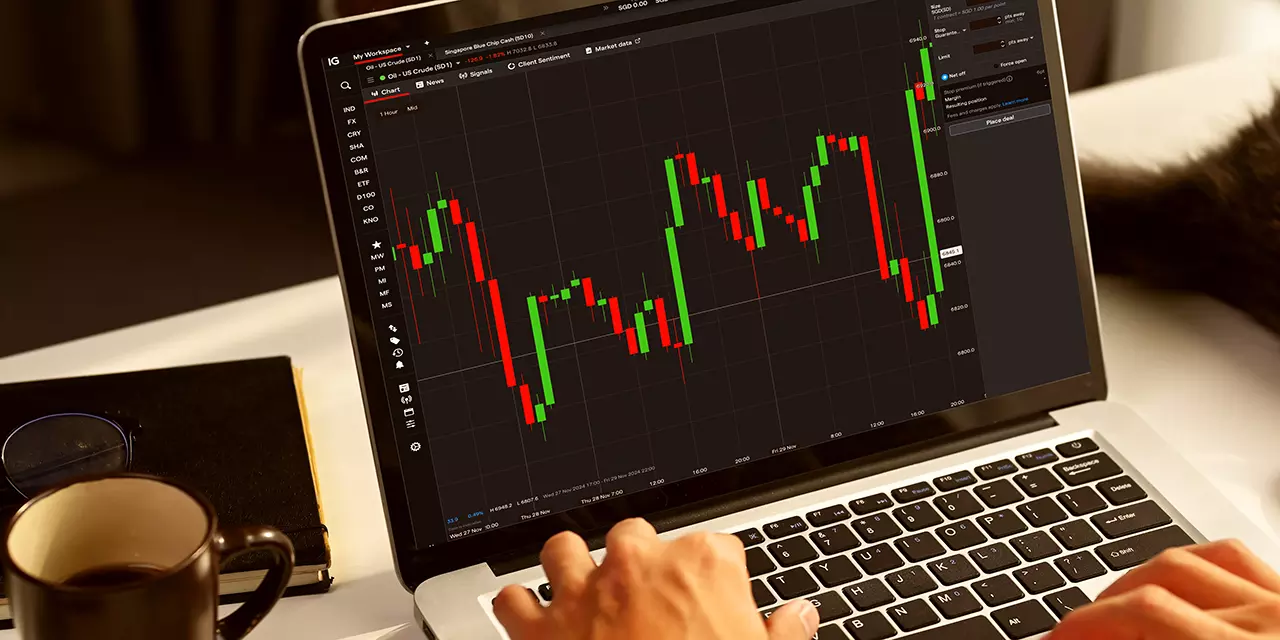
The S&P 500 is one of the most actively traded indexes in the world, and trading S&P 500 Futures provides opportunities for both hedging and speculation. However, understanding futures trading hours is critical for anyone aiming to maximize profits and manage risk effectively. Knowing when markets are most active, when liquidity peaks, and how global events influence price movements can make a substantial difference in trading outcomes. This article explores how aligning trades with futures trading hours enhances strategies for S&P 500 futures.
Understanding S&P 500 Futures
S&P 500 futures are standardized contracts that allow traders to buy or sell the index at a predetermined price for a future date. They are primarily traded on the CME Group’s Globex platform, offering exposure to 500 of the largest publicly listed U.S. companies.
Traders use these contracts for various purposes, including hedging portfolios, speculating on market trends, and taking advantage of short-term volatility. The leverage provided by S&P 500 futures amplifies both potential profits and risks, making timing particularly important.
What Are Futures Trading Hours?
Futures trading hours refer to the specific times during which futures contracts can be traded on an exchange. Unlike stocks, which typically follow standard market hours, futures markets operate nearly 24 hours a day, Monday through Friday, with short breaks.
For S&P 500 futures, the main trading hours are:
- Electronic trading via CME Globex: Sunday to Friday, 6:00 p.m. to 5:00 p.m. Eastern Time, with a 60-minute break from 5:00 p.m. to 6:00 p.m. ET.
- Regular trading session (RTH): 9:30 a.m. to 4:00 p.m. ET, aligning with U.S. stock market hours.
Understanding these hours is essential because market liquidity, volatility, and spreads vary significantly depending on the session.
Why Futures Trading Hours Matter
Timing is crucial when trading S&P 500 Futures. Different hours present different trading opportunities and risks:
- High Liquidity Periods: The overlap between U.S. and European trading sessions often results in higher trading volumes and tighter bid-ask spreads, ideal for active traders.
- Low Liquidity Periods: During off-peak hours, spreads widen, and price movements can be erratic, increasing the risk of slippage.
- Economic Events: Scheduled announcements like Federal Reserve statements, inflation data, and corporate earnings releases tend to have more pronounced effects during active trading hours.
By aligning trades with periods of high liquidity and market responsiveness, traders can optimize entries and exits while minimizing trading costs.
Key Strategies for Trading S&P 500 Futures Around Trading Hours
Beginners and experienced traders alike can benefit from aligning strategies with futures trading hours:
1. Focus on Regular Trading Hours (RTH)
Most volatility and volume occur during regular U.S. market hours (9:30 a.m.–4:00 p.m. ET). This is when major price moves happen, making it easier to execute trades and manage positions.
2. Take Advantage of Globex Sessions
Electronic trading outside RTH allows traders to respond to global events and overnight news. While volatility is lower, it provides opportunities for trend continuation trades or pre-market positioning.
3. Monitor Economic News Releases
Economic announcements often coincide with RTH, and knowing the exact time can help traders anticipate spikes in volatility. Aligning trades with these events can create profitable setups for breakout or trend-following strategies.
4. Manage Risk Based on Hours
Tighter spreads and higher liquidity during peak hours reduce slippage and allow precise stop-loss and take-profit placement. Conversely, during low liquidity periods, traders might reduce position size to mitigate risk.
Tools to Track Trading Hours Effectively
Modern trading platforms offer features to monitor futures trading hours and plan trades accordingly:
- Market Calendars: Track scheduled economic events and earnings announcements.
- Volume Heatmaps: Identify periods of high liquidity for better trade execution.
- Alerts and Notifications: Set reminders for market open, close, or news releases.
- Simulated Trading (Paper Trading): Practice trading strategies during different sessions to understand how market hours impact performance.
Selecting the Best Futures Trading Platform ensures access to these tools, which is critical for both beginners and experienced S&P 500 futures traders.
Combining Strategy With Timing
Successful traders do not rely solely on technical analysis or market forecasts. Integrating knowledge of futures trading hours with solid trading strategies amplifies profitability. For instance, a day trader might focus exclusively on the first two hours of the RTH session, when volume spikes create quick-moving opportunities. Meanwhile, swing traders may place limit orders during Globex hours to catch overnight trends without chasing volatile intraday moves.
By understanding which session aligns with a chosen strategy, traders can increase efficiency, reduce risk, and improve consistency.
Conclusion
Trading S&P 500 Futures offers powerful opportunities for wealth growth and portfolio hedging. However, timing matters. Knowing futures trading hours allows traders to align strategies with periods of high liquidity and volatility, anticipate market reactions to news, and reduce trading costs.
For beginners, combining this knowledge with tools from the Best Futures Trading Platform—such as market calendars, volume analysis, and simulated trading—provides a structured approach to learning the market. By integrating timing into strategy development, traders can maximize profits, manage risk effectively, and approach S&P 500 futures trading with confidence.