
The best way to spot a quality used BMW B58 engine for sale is to verify its exact engine variant and compatibility, confirm its mileage and history, inspect for leaks or physical damage, request compression or running-test information, and buy from a seller that provides a clear warranty or return policy.
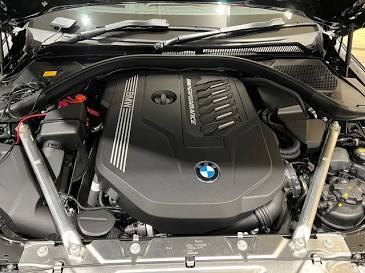
A clean-looking engine alone is not enough. The B58 has been used across several BMW models and generations, so engines that share the B58 name can have important application and equipment differences. Always match the replacement engine to your vehicle by VIN, production year, engine code and required specifications rather than relying only on the BMW model name.
What Is the BMW B58 Engine?
The BMW B58 is a 3.0-liter turbocharged inline-six gasoline engine introduced in the mid-2010s. It has appeared in vehicles including the 340i, 440i, M240i, M340i, 540i, X3 M40i, X5 xDrive40i and other applications, with specifications varying by vehicle, market and production period.
That variety is important when shopping for a replacement. A B58 engine from one application should not automatically be assumed to be a direct replacement for every other B58-powered BMW.
1. Verify the Exact Engine Before Buying
The first quality check is identification.
Ask the seller for:
- Complete engine code
- Donor vehicle VIN or VIN confirmation where available
- Donor model and production year
- Mileage at removal
- Engine serial or identification information
- Photos of the actual engine
- Information about included accessories
Compare this information with your vehicle’s original engine specifications.
A listing that simply says “BMW B58 engine” provides too little information for a confident purchase. B58 applications differ across chassis and model years, so compatibility should be established before discussing price.
Why VIN Matching Matters
A BMW parts catalog may show several engines that appear similar while having different components, software requirements or application details. Give the seller your VIN and ask them to confirm compatibility in writing.
This simple step can prevent the expensive mistake of buying an engine that requires additional parts or is unsuitable for your vehicle.
2. Check Mileage and Donor History
Mileage is useful, but it should not be considered by itself.
A lower-mileage engine with an unknown history may provide less confidence than a higher-mileage engine supported by maintenance records and a documented donor vehicle.
Ask:
- What vehicle did the engine come from?
- Why was that vehicle dismantled?
- Was the engine running before removal?
- Was the vehicle involved in a collision?
- Was the engine modified or tuned?
- Are service records available?
- When was the engine removed?
A documented donor vehicle gives you more context. For example, an engine removed from a damaged vehicle may have avoided the mechanical abuse that could occur in a poorly maintained performance car—but the actual condition still needs to be verified.
3. Inspect the Engine for Physical Damage
Before purchasing a used B58, examine detailed photographs or inspect the engine personally.
Look for:
- Cracks in the engine block or cylinder head
- Broken mounting points
- Damaged electrical connectors
- Bent or damaged pulleys
- Missing sensors
- Severely corroded components
- Damaged coolant connections
- Heavy oil residue
- Signs of impact
- Missing hardware
Surface grime is normal on a used engine. Freshly cleaned surfaces, however, can make leaks harder to identify.
Pay particular attention to areas around oil and coolant connections. Used B58 inspection guidance commonly emphasizes cooling-system components, oil sealing areas and pressurized intake plumbing as areas worth checking.
4. Look for Oil and Coolant Evidence
Fluid residue can tell you a great deal about an engine’s previous condition.
Oil Inspection
Look for:
- Wet oil around sealing surfaces
- Heavy buildup around the valve-cover area
- Oil contamination around external components
- Evidence of significant leakage
A small amount of old residue does not automatically mean internal engine damage. The important question is whether the seller can explain the condition and whether the engine has been tested.
Coolant Inspection
Check for dried coolant residue, staining around fittings and evidence of previous leakage. Cooling-system issues can involve components outside the long block, so identifying the exact source matters rather than assuming every coolant mark indicates an internal engine problem.
5. Ask for Compression or Test Results
A professional seller should be able to provide meaningful information about engine condition.
If available, ask for:
| Test or Evidence | What It Can Tell You |
| Compression test | Helps identify cylinder-to-cylinder differences |
| Leak-down test | Can help identify combustion-chamber sealing problems |
| Running test | Provides evidence of actual operating behavior |
| Diagnostic scan | May reveal stored faults |
| Oil inspection | Can reveal contamination or unusual debris |
| Borescope inspection | Can provide visual evidence inside cylinders |
A compression number should not be evaluated in isolation. Consistency between cylinders and the test procedure both matter.
If the seller cannot provide testing, consider having the engine inspected by a BMW specialist before installation.
6. Examine the Turbo and Attached Components
Determine exactly what is included in the sale.
Some listings are complete engines, while others may be long blocks or assemblies missing accessories and electronic components.
Confirm whether the price includes:
- Turbocharger
- Intake components
- Fuel system components
- Wiring harness
- Sensors
- Alternator
- Starter
- Throttle body
- Engine accessories
- Engine mounts
The cheapest listing may not be the lowest-cost solution if you must purchase several missing components separately.
7. Investigate Modification History
A B58 from a modified vehicle deserves additional questions.
Ask whether the donor car had:
- ECU tuning
- Higher-boost calibration
- Upgraded turbocharger
- Modified fuel system
- Track use
- Drag racing use
- Other major performance modifications
A tuned engine is not automatically unusable. However, modification history provides important context when evaluating an engine’s previous operating conditions.
The same principle applies to maintenance. Look for evidence of regular oil service and documented repairs rather than relying on a seller’s description alone.
8. Check the Seller’s Warranty
A warranty is one of the most important differences between a documented used engine and an uncertain private-sale purchase.
Before paying, ask:
- How long is the warranty?
- What components are covered?
- Does coverage begin at delivery or installation?
- Is labor covered?
- Are diagnostic costs covered?
- What voids the warranty?
- Is installation by a qualified shop required?
- Is there a return period?
Get the terms in writing.
Also confirm whether the seller’s warranty covers the engine itself or only selected internal components. A warranty with unclear exclusions may provide less protection than expected.
9. Compare the Whole Purchase Cost
Do not compare used BMW B58 engines by asking only, “Which one is cheapest?”
Consider:
Engine price + shipping + missing components + installation + fluids + seals/gaskets + potential repairs = actual replacement cost
A slightly more expensive engine with verified mileage, testing and warranty documentation may have a very different risk profile from an inexpensive engine with no test results.
This is especially important because some external components and sealing points can require attention on an older used engine even when the core long block is serviceable.
Used B58 Engine Inspection Checklist
Before purchasing, run through this quick checklist:
- Correct B58 variant confirmed
- VIN compatibility verified
- Donor vehicle identified
- Mileage documented
- Modification history checked
- Engine photos reviewed
- Block and head inspected
- Oil and coolant leaks checked
- Compression or leak-down results requested
- Turbo condition confirmed
- Included components listed
- Warranty terms reviewed
- Shipping and return conditions understood
Used BMW B58 Engine for Sale
Is the B58 a good engine to buy used?
The B58 is widely used across BMW’s modern six-cylinder lineup, but condition varies between individual engines. Verify the specific engine’s history, testing, compatibility and maintenance evidence before buying.
How many miles can a used B58 engine last?
There is no reliable single mileage limit for every B58. Service history, operating conditions, modifications and maintenance all affect the life of an individual engine.
Should I buy a complete B58 engine or long block?
A complete engine can reduce the number of components you need to transfer, while a long block may make sense when your existing accessories are known to be compatible and serviceable.
How do I verify a B58 engine’s mileage?
Ask for donor-vehicle records, removal documentation, VIN information and service records. Treat mileage without supporting evidence cautiously.
What should I check for on a used B58?
Check identification, physical damage, fluid leaks, testing records, modification history, included components and warranty coverage.
Does every B58 fit every BMW?
No. B58 applications vary by vehicle, year and market. Confirm compatibility using the VIN and exact engine specifications.
FAQs
What is the most important check when buying a used B58?
Confirm the exact engine variant and compatibility with your vehicle before evaluating price or mileage.
Should a used B58 come with a warranty?
A warranty can provide additional protection, but read its coverage, exclusions, installation requirements and return terms carefully.
Is oil residue on a used B58 normal?
Some surface residue can occur on a used engine. Heavy, active or unexplained leakage requires further investigation.
Should I inspect a used B58 before installation?
Yes. If possible, have a qualified BMW technician inspect and test the engine before installation.
Can I buy a B58 with unknown history?
You can, but unknown history makes conditions harder to establish. A tested engine with documented provenance provides more information for your purchase decision.