
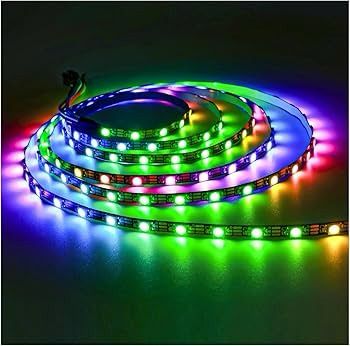
Whether you’re designing signage, building interior lighting, or developing a smart city infrastructure, choosing the right LED Module can make all the difference in performance, aesthetics, and efficiency. With so many options available — from COB (Chip on Board) to SMD (Surface Mounted Device) — finding the perfect match for your project can be overwhelming.
This step-by-step guide will walk you through the key factors to consider when selecting an LED module, ensuring your project shines bright and lasts long.
Step 1: Understand Your Project Requirements
Before exploring LED module options, start by defining the purpose and environment of your lighting application. Ask yourself:
-
Is it for indoor or outdoor use?
-
Do you need accent lighting, task lighting, or backlighting?
-
What brightness level or color temperature do you want?
For example, architectural lighting requires high CRI (Color Rendering Index) modules for accurate color presentation, while outdoor signage needs waterproof and UV-resistant modules.
Step 2: Choose the Right Type of LED Module
LED modules come in various forms, each suited for different applications. Here are the most common types:
• SMD (Surface-Mounted Device) LED Modules
-
Compact, energy-efficient, and ideal for signage or decorative lighting.
-
Available in single or multiple color options (RGB, RGBW).
• COB (Chip-on-Board) LED Modules
-
Offer uniform, high-intensity light with excellent thermal performance.
-
Perfect for industrial, architectural, and commercial lighting.
• High-Power LED Modules
-
Deliver maximum brightness and durability.
-
Suitable for streetlights, floodlights, and large-scale installations.
Choosing the right type ensures your lighting performs efficiently under specific conditions.
Step 3: Evaluate Brightness and Luminous Efficacy
Brightness is measured in lumens (lm), while luminous efficacy indicates how efficiently the LED converts electricity into light (lm/W).
-
For task lighting, aim for 80–100 lm/W.
-
For decorative or ambient lighting, 60–80 lm/W is usually sufficient.
Remember, more lumens don’t always mean better lighting — it’s about balancing brightness with efficiency and purpose.
Step 4: Consider Color Temperature and CRI
The color temperature (CCT) of an LED module determines the mood and atmosphere of your lighting:
-
2700K–3000K: Warm white — cozy and inviting.
-
4000K–4500K: Neutral white — ideal for offices or retail.
-
6000K–6500K: Cool white — crisp and bright, perfect for outdoors or factories.
The Color Rendering Index (CRI) measures how accurately the light reveals colors. A CRI above 80 is good, while CRI 90+ is best for professional or high-end applications.
Step 5: Check Power Consumption and Voltage
Each LED module has a specific input voltage and power rating. Common types include:
-
12V / 24V DC for signage and automotive projects.
-
AC-powered modules for commercial lighting.
Always ensure your power supply matches the LED module’s specifications to avoid flickering or damage.
Step 6: Prioritize Heat Dissipation and Durability
LED modules generate heat — and poor thermal management can shorten their lifespan. Choose modules with built-in heat sinks or aluminum bases to ensure efficient cooling.
If your project is outdoors, go for IP65 or IP68-rated modules that resist dust, water, and weather.
Step 7: Verify Quality Certifications and Warranty
Reliable LED module suppliers provide certifications like:
-
CE / RoHS (for safety and environmental compliance)
-
UL / ETL (for North American standards)
A longer warranty (3–5 years) usually reflects higher product quality and manufacturing confidence.
Step 8: Test Before Full Installation
Before large-scale deployment, test a few LED modules in real conditions. Check brightness, color uniformity, and compatibility with your drivers or controllers. This helps avoid costly mistakes later.
Pro Tip: Partner with a Trusted LED Module Supplier
Choosing the right LED module is easier when you work with experienced suppliers who understand your industry’s lighting needs. Look for companies that offer custom module design, technical support, and after-sales service.
A reliable supplier doesn’t just sell LEDs — they help you design a complete lighting solution.
Conclusion
Selecting the perfect LED module requires balancing performance, efficiency, and durability. By following this step-by-step guide — from understanding your project requirements to verifying quality — you’ll ensure your lighting system delivers outstanding results.