
The personal care industry stands at a crucial crossroads where environmental responsibility meets consumer demand. As awareness about plastic pollution reaches unprecedented levels, forward-thinking brands are reimagining deodorant packaging from the ground up. These innovations go beyond mere material substitution—they represent a fundamental shift in how we conceive, use, and dispose of personal care containers. The latest generation of eco-friendly deodorant containers combines cutting-edge sustainable materials with thoughtful design, offering consumers guilt-free protection while significantly reducing environmental impact.
The Environmental Imperative Behind Sustainable Packaging
Traditional deodorant packaging contributes disproportionately to global plastic waste, with millions of non-recyclable containers ending up in landfills and oceans each year. The average plastic deodorant stick takes over 400 years to decompose, leaching harmful microplastics into ecosystems throughout its gradual breakdown. This environmental toll has prompted both consumers and manufacturers to seek alternatives that align with circular economy principles. The shift toward sustainable packaging isn't just about reducing waste—it's about redefining the entire product lifecycle from sourcing to disposal.
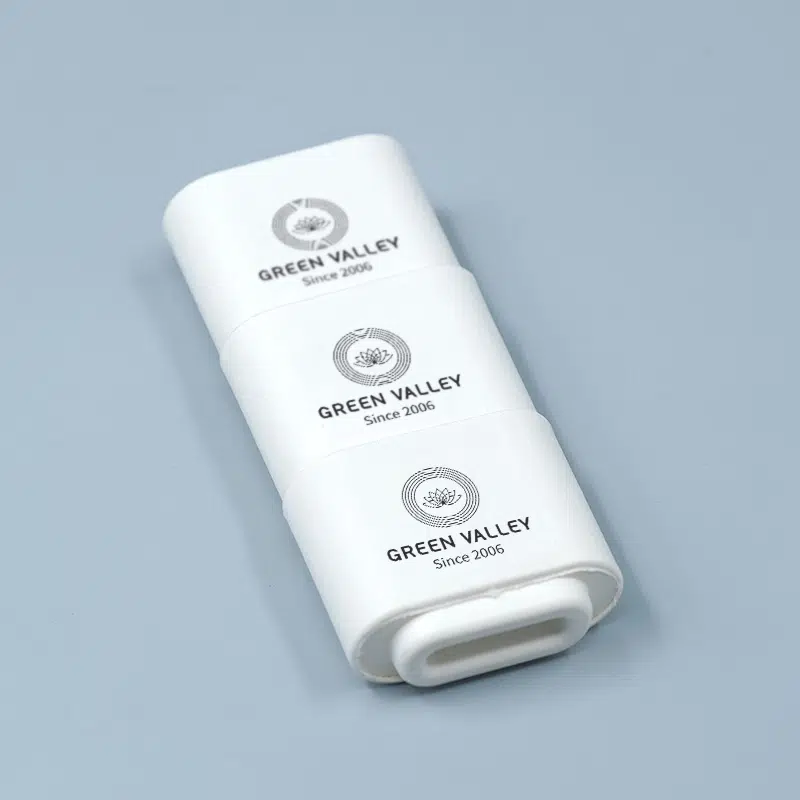
Beyond waste reduction, sustainable deodorant containers address the carbon footprint of personal care products. Conventional plastic production relies on fossil fuels and energy-intensive processes, while many eco-friendly alternatives utilize renewable resources with lower embodied energy. Some innovators are even developing carbon-negative packaging solutions that sequester more CO2 than they emit during production. For brands looking to source deodorant containers wholesale, these sustainable options now offer comparable pricing to traditional plastics while providing significant marketing and environmental advantages.
Material Breakthroughs Transforming Container Design
The most exciting developments in sustainable deodorant packaging come from material science innovations. Bioplastics derived from sugarcane, corn starch, and even algae are replacing petroleum-based polymers without compromising durability or functionality. Mushroom-based packaging grown from mycelium offers fully biodegradable alternatives that decompose within months rather than centuries. Some manufacturers are even exploring ocean plastics—recycled materials collected from marine environments—to create containers that actively clean up existing pollution while preventing new waste.
Refillable systems represent another major advancement, allowing consumers to reuse durable outer casings while replacing only the deodorant component. These designs often incorporate sleek, minimalist aesthetics that appeal to eco-conscious consumers while reducing material usage by up to 80% compared to traditional packaging. For brands considering alternative container options, refillable systems offer the dual benefit of environmental responsibility and increased customer engagement through repeat purchases of refill cartridges.
| Material Type | Decomposition Time | Carbon Footprint | Recyclability |
|---|---|---|---|
| Traditional Plastic | 400+ years | High | Limited |
| Sugarcane Bioplastic | 3-6 months (industrial compost) | Negative | Fully recyclable |
| Mycelium Packaging | 8-12 weeks (home compost) | Very Low | Biodegrades |
| Recycled Aluminum | Infinite reuse | Medium (initial production) | Infinitely recyclable |
Design Innovations Enhancing User Experience
The user experience of eco-friendly deodorant containers has seen remarkable improvements through thoughtful engineering. New biodegradable twist mechanisms eliminate the jamming issues common in traditional plastic push-up sticks, while magnetic refill systems make product replacement effortless. Many sustainable containers now feature ergonomic shapes and tactile surfaces that enhance grip during application. These design enhancements prove that environmental responsibility doesn't require compromising on functionality or luxury—a principle embraced by companies offering luxury packaging solutions for premium personal care brands.
The Business Case for Sustainable Packaging
Beyond environmental benefits, sustainable deodorant containers offer compelling commercial advantages. Market research consistently shows consumers are willing to pay premium prices for products with eco-friendly packaging—with 73% of millennials expressing this preference in recent Nielsen surveys. Brands that adopt sustainable packaging often see improved customer loyalty and positive media coverage that amplifies their marketing messages. The shelf appeal of well-designed eco-conscious packaging can also differentiate products in crowded retail environments where sustainability claims increasingly influence purchasing decisions.
From an operational perspective, many sustainable packaging options now compete favorably with traditional materials in terms of cost and performance. Bulk purchasing of deodorant containers wholesale brings economies of scale that make bioplastics and recycled materials price-competitive with virgin plastics. Some regions offer tax incentives for companies using certified sustainable packaging, while others have implemented plastic taxes that make conventional materials more expensive. Forward-thinking brands recognize that sustainable packaging isn't just an environmental imperative—it's becoming a business necessity in an increasingly eco-conscious marketplace.
The revolution in eco-friendly deodorant containers represents more than just a packaging trend—it's part of a fundamental transformation in how the personal care industry approaches product design and environmental responsibility. As material innovations continue advancing and consumer expectations evolve, sustainable packaging will transition from competitive advantage to industry standard. The brands leading this change today are positioning themselves as tomorrow's market leaders while making meaningful contributions to planetary health—a combination that benefits both business and environment alike.