
A lush, green, and healthy lawn is more than just an aesthetic feature; it reflects careful planning, consistent effort, and a deep understanding of nature.
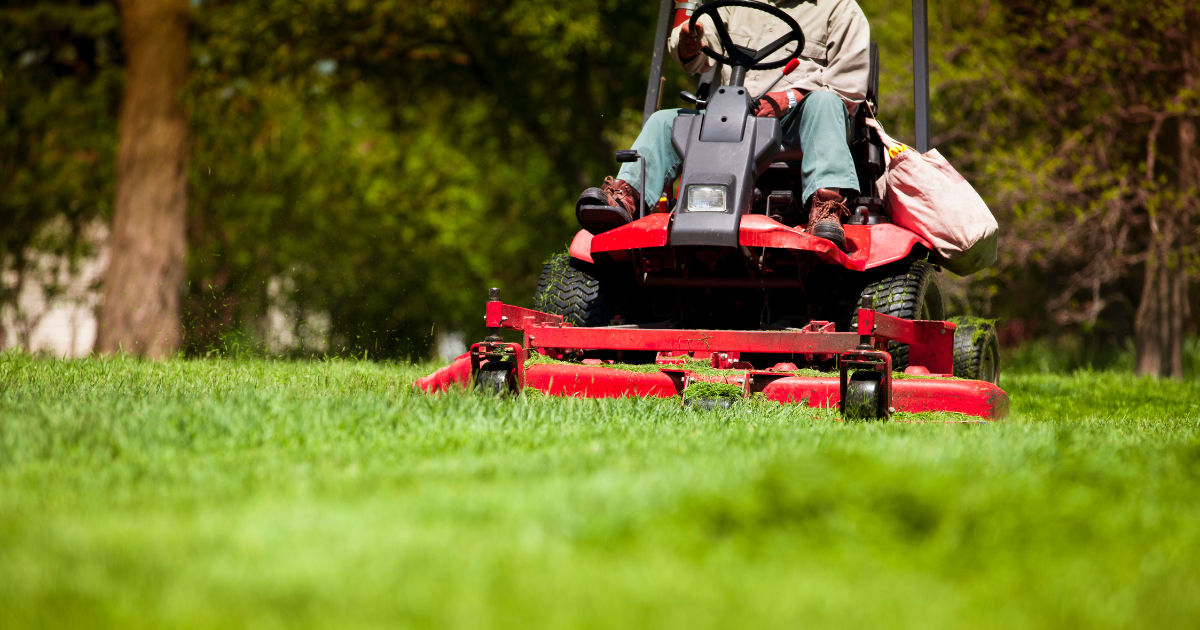
At the heart of a thriving lawn lies proper lawn care and maintenance. Effective lawn maintenance requires attention to detail, knowledge of grass types, seasonal adjustments, and ongoing care.
In this comprehensive guide, we will explore everything you need to know about achieving and maintaining a lawn that is vibrant, resilient, and visually appealing.
Importance of Lawn Care and Maintenance
A well-maintained lawn is not just about beauty. It contributes to environmental health, improves air quality, reduces soil erosion, and even impacts mental well-being. Lawns act as natural filters, capturing dust and pollutants, while providing a comfortable surface for outdoor activities. However, all these benefits are only possible with consistent lawn care and maintenance.
Many homeowners underestimate the significance of lawn care. A neglected lawn can lead to problems like weed infestation, soil compaction, pest outbreaks, and poor drainage. On the other hand, a well-maintained lawn enhances property value, provides a safe space for children and pets, and creates a welcoming atmosphere. By understanding the core principles of lawn maintenance, you can ensure your lawn thrives year-round.
Choosing the Right Grass Type
The foundation of effective lawn care and maintenance begins with selecting the right type of grass for your region and lifestyle. Grass species differ in terms of growth patterns, drought resistance, shade tolerance, and maintenance requirements. Selecting an appropriate grass type ensures that your lawn remains healthy with minimal effort.
Cool-Season vs. Warm-Season Grasses
Cool-season grasses, such as Kentucky bluegrass, fescues, and ryegrass, thrive in regions with mild summers and cold winters. They grow actively in spring and fall and may enter dormancy during extreme summer heat. Warm-season grasses, like Bermuda, Zoysia, and St. Augustine, excel in hot climates with extended sunny periods. They flourish in late spring and summer but may slow down in colder months.
Understanding your climate and the sun exposure of your lawn is critical. Planting the wrong grass type can increase maintenance challenges and lead to an unhealthy lawn despite your efforts.
Soil Preparation for Grass Growth
Before planting any grass, soil preparation is essential. Healthy soil supports strong root development and ensures efficient nutrient uptake. Conduct a soil test to determine pH levels and nutrient deficiencies. Most grasses prefer slightly acidic to neutral soil (pH 6.0–7.0). Based on the soil test results, add organic matter, lime, or fertilizers to optimize soil conditions. Well-prepared soil reduces the risk of disease, improves water retention, and supports robust grass growth, which is central to lawn care and maintenance.
Essential Lawn Care Practices
Achieving a lush lawn requires a combination of routine practices and seasonal adjustments. These essential practices form the core of lawn care and maintenance.
Regular Mowing
Mowing is more than just keeping the grass short. Proper mowing encourages strong root systems, prevents weed growth, and enhances the overall appearance of the lawn. Follow these tips for effective mowing:
-
Never cut more than one-third of the grass height at a time.
-
Keep mower blades sharp to ensure clean cuts.
-
Adjust the mowing height based on grass type and season. For example, cool-season grasses may require a height of 2.5–3.5 inches, while warm-season grasses can tolerate slightly shorter cuts.
-
Leave grass clippings on the lawn as natural mulch to retain moisture and return nutrients to the soil.
Consistent mowing supports healthy grass and reduces the likelihood of pest and disease problems.
Watering Techniques
Watering is a critical aspect of lawn care and maintenance. Lawns need consistent moisture, but overwatering or underwatering can damage the grass. Consider the following guidelines:
-
Water deeply and infrequently to encourage deep root growth.
-
Early morning is the best time to water, reducing evaporation and disease risk.
-
Adjust watering frequency based on weather conditions and soil type. Sandy soils may require more frequent watering, while clay soils retain moisture longer.
-
Use sprinklers or irrigation systems that distribute water evenly.
Proper watering ensures grass roots grow deep and strong, increasing the lawn’s resilience against drought and stress.
Fertilization and Nutrient Management
A well-fed lawn grows healthier and resists weeds, pests, and diseases. Fertilization is a core component of lawn care and maintenance. Here’s how to manage nutrients effectively:
-
Use a balanced fertilizer with nitrogen, phosphorus, and potassium, adjusting ratios based on soil test results.
-
Fertilize cool-season grasses in early spring and fall, and warm-season grasses in late spring and summer.
-
Avoid over-fertilizing, which can lead to excessive growth, nutrient runoff, and environmental harm.
-
Incorporate slow-release fertilizers for consistent nutrient supply.
Regular fertilization ensures your lawn remains green, lush, and vigorous throughout the growing season.
Weed Control
Weeds compete with grass for nutrients, water, and sunlight, and can quickly overtake a lawn if left unchecked. Effective weed management is crucial for lawn care and maintenance. Key strategies include:
-
Identify common weeds in your region and apply targeted herbicides if necessary.
-
Mow and fertilize correctly to strengthen grass, reducing weed invasion.
-
Apply mulch or ground cover to suppress weed growth in garden edges and patches.
-
Consider organic methods, such as manual removal or natural herbicides, to minimize chemical use.
Proactive weed control prevents small problems from becoming overwhelming and maintains a neat, attractive lawn.
Pest and Disease Management
Insects, fungi, and other pests can severely damage grass. Regular monitoring and preventive measures are part of good lawn care and maintenance. Strategies include:
-
Inspect your lawn for signs of pests, such as brown patches, chewed grass blades, or tunnels.
-
Apply insecticides or natural predators when necessary.
-
Practice proper watering, mowing, and fertilization to strengthen the grass against disease.
-
Aerate soil to improve drainage and reduce fungal infections.
Preventing pest and disease outbreaks ensures that your lawn remains healthy without excessive chemical intervention.
Aeration and Soil Compaction
Soil compaction reduces air, water, and nutrient movement to grass roots. Lawn aeration, or perforating the soil with small holes, alleviates compaction and promotes stronger root growth. Key points include:
-
Aerate the lawn annually or biannually, depending on soil condition.
-
Use a core aerator for better results.
-
Focus on high-traffic areas where soil compaction is more likely.
-
Combine aeration with fertilization and overseeding for optimal lawn health.
Aeration is a simple yet powerful step that significantly enhances lawn care and maintenance.
Seasonal Lawn Care Strategies
Different seasons demand tailored approaches to lawn care and maintenance. Seasonal adjustments help the lawn recover from stress and prepare for growth cycles.
Spring Lawn Care
Spring is a critical time for rejuvenating your lawn after winter dormancy. Key spring tasks include:
-
Remove debris and fallen leaves from the lawn.
-
Dethatch to remove dead grass and organic buildup.
-
Apply pre-emergent herbicides to prevent weed seeds from germinating.
-
Fertilize to boost early growth and root development.
-
Overseed bare patches to improve density.
Spring maintenance sets the stage for a strong, vibrant lawn throughout the growing season.
Summer Lawn Care
Summer heat and drought stress can challenge grass growth. Effective summer lawn care and maintenance includes:
-
Adjust mowing height to keep grass slightly taller, reducing heat stress.
-
Water deeply and less frequently to encourage deep roots.
-
Monitor for insect infestations and fungal diseases.
-
Apply slow-release fertilizers if necessary, avoiding excessive nitrogen.
By adapting to summer conditions, your lawn can withstand heat and remain resilient.
Fall Lawn Care
Fall is the ideal time for lawn recovery and preparation for winter. Essential fall practices include:
-
Aerate and dethatch the lawn to improve soil health.
-
Fertilize to strengthen roots for winter dormancy.
-
Overseed to fill in thin or bare areas.
-
Continue weed control to prevent winter weed invasion.
Proper fall care ensures a healthy, green lawn in the spring, minimizing recovery time.
Winter Lawn Care
Winter requires minimal maintenance, but certain practices help protect your lawn:
-
Avoid excessive foot traffic on dormant grass.
-
Remove fallen leaves to prevent fungal growth.
-
Limit fertilization and mowing until spring.
-
Protect vulnerable areas with mulch or temporary covers.
Even in winter, thoughtful care preserves the lawn’s health for the upcoming growing season.
Tools and Equipment for Lawn Maintenance
Having the right tools is essential for efficient lawn care and maintenance. Common equipment includes:
-
Lawn mowers: rotary or reel mowers for different grass types.
-
Trimmers and edgers for clean borders.
-
Aerators for soil compaction relief.
-
Spreaders for fertilizer and seed application.
-
Sprinklers or irrigation systems for consistent watering.
Maintaining and using equipment correctly saves time, enhances efficiency, and ensures better results.
Sustainable Lawn Care Practices
Sustainability is increasingly important in lawn care and maintenance. Eco-friendly practices conserve resources, reduce chemical use, and promote biodiversity. Examples include:
-
Using organic fertilizers and compost.
-
Reducing chemical herbicides and pesticides.
-
Installing rainwater harvesting or smart irrigation systems.
-
Planting native grasses and groundcovers that require less maintenance.
-
Encouraging pollinators and beneficial insects.
Sustainable approaches not only improve lawn health but also protect the environment for future generations.
Common Mistakes in Lawn Care
Even with the best intentions, many homeowners make mistakes that undermine lawn care and maintenance:
-
Overwatering or underwatering.
-
Cutting grass too short (scalping).
-
Ignoring soil health and fertilization needs.
-
Delaying weed and pest control.
-
Using inappropriate grass types for the region.
Avoiding these mistakes ensures your lawn thrives with less effort and reduces the need for corrective measures.
The Role of Professional Lawn Services
While DIY maintenance is effective, professional lawn care services offer expertise and convenience. Professionals can:
-
Conduct soil tests and recommend tailored fertilizers.
-
Apply precise weed, pest, and disease treatments.
-
Perform aeration, overseeding, and landscaping.
-
Develop customized maintenance schedules for optimal growth.
Professional support complements DIY efforts, ensuring consistent, high-quality results.
Conclusion
The core of effective lawn maintenance lies in understanding the needs of your lawn, applying consistent care, and adapting to seasonal changes. From selecting the right grass type and preparing the soil to proper mowing, watering, fertilization, and pest control, each step contributes to a healthy, vibrant lawn. Incorporating sustainable practices, avoiding common mistakes, and leveraging professional services when needed further enhance lawn care and maintenance.
Ultimately, a well-maintained lawn is the product of knowledge, effort, and attention to detail. By following the principles outlined in this guide, homeowners can enjoy a beautiful, resilient lawn that provides environmental benefits, aesthetic appeal, and a safe, inviting space for outdoor activities. Lawn maintenance is not just a chore—it is an investment in your property, your well-being, and the environment. Commit to regular, thoughtful care, and your lawn will reward you with lush greenery, season after season.